3D Scientific Illustration
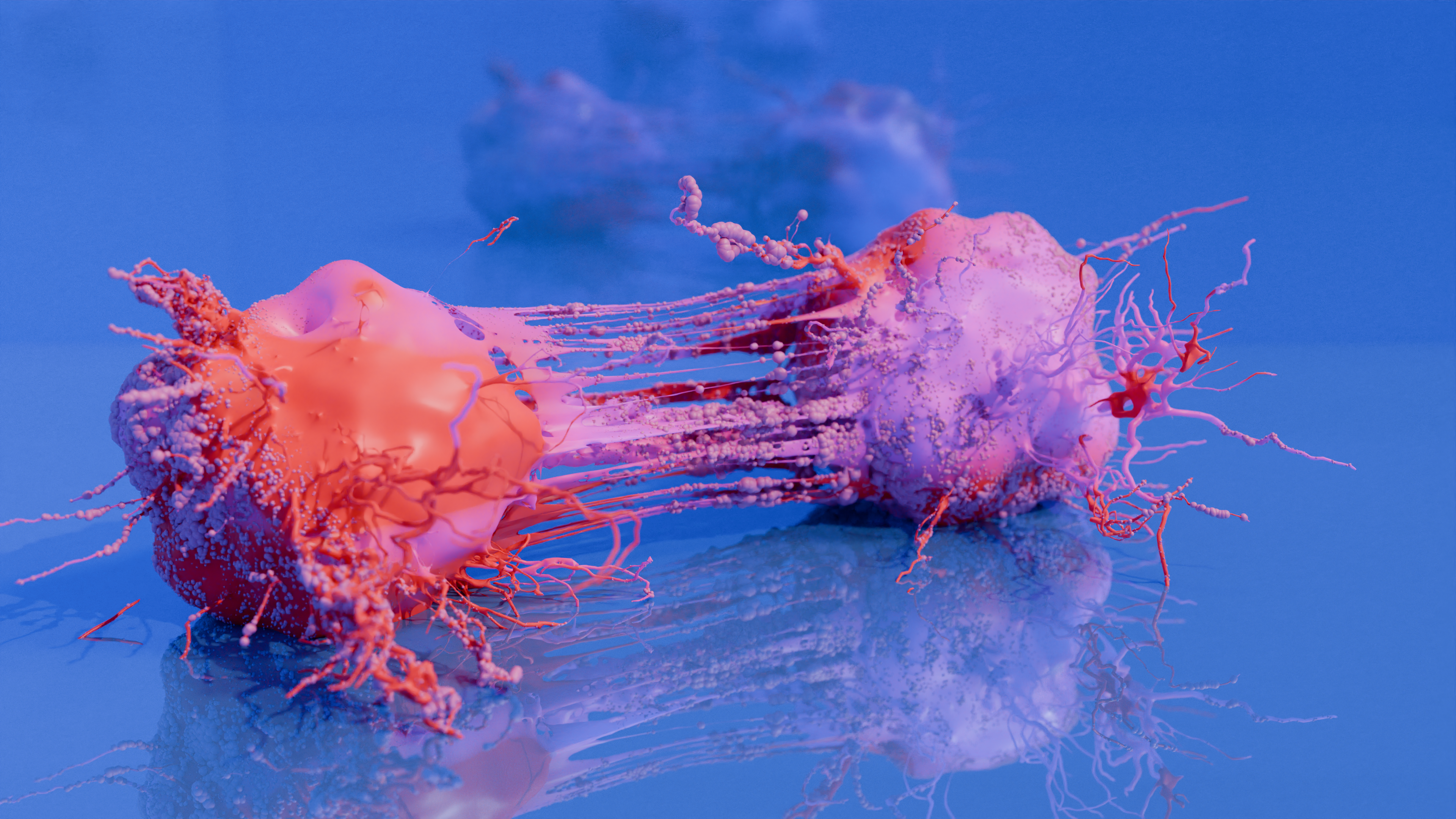
3D scientific illustration brings research concepts, biological environments, medical structures, and experimental systems into detailed, visually engaging scenes. These illustrations integrate data, scientific accuracy, and cinematic rendering to produce artwork suited for publications, educational materials, presentations, and journal covers. By combining modeling, lighting, and art direction, 3D illustration allows complex systems to be communicated with clarity and visual depth.
Why 3D Scientific Illustration Matters
Many scientific concepts are easier to understand when they are shown in three dimensions. A well-constructed 3D illustration can:
-
reveal spatial relationships between biological components
-
clarify multi-step mechanisms and experimental systems
-
enhance manuscripts, presentations, and posters
-
provide visually consistent visuals across entire projects
-
help audiences grasp scale, depth, and context
-
support the development of journal cover concepts
-
translate abstract processes into readable visual narratives
As research becomes more advanced and data-rich, 3D illustration offers a way to communicate ideas that traditional diagrams cannot adequately express.
My Approach to 3D Scientific Illustration
Every 3D scientific illustration starts by identifying the scientific goals of the visual. Whether the purpose is to show a cellular environment, an engineered system, a medical concept, or a complex mechanism, the illustration is built around accuracy and clarity.
The process involves:
-
modeling relevant structures based on scientific data
-
organizing components to reflect true biological or medical relationships
-
designing lighting and color that emphasize hierarchy and function
-
refining materials, textures, and surfaces to enhance clarity
-
composing the scene with a strong visual narrative
-
using cinematic depth and atmosphere to guide the viewer’s eye
The final artwork maintains scientific fidelity while presenting the topic in a refined, visually compelling way.
What You Receive
Each 3D scientific illustration project includes:
-
high-resolution renders designed for print, projection, or digital use
-
layered files or object passes for integration into figures
-
both realistic and simplified versions upon request
-
composition options for multi-panel manuscript figures
-
neutral or atmospheric backgrounds depending on the application
-
color-accurate versions for journals or presentations
-
delivery in formats such as TIFF, PNG, EXR, and vector composites
Files can be tailored to match journal requirements, institutional design guidelines, or project-specific aesthetics.
Topics and Systems I Illustrate in 3D
3D illustration can be applied to virtually any biological or medical subject. I regularly create scenes and models for topics such as:
-
cellular environments and tissue microstructures
-
immune system interactions
-
neural pathways and synaptic structures
-
microbiology and bacterial morphology
-
oncology and tumor–immune dynamics
-
biochemical mechanisms and macromolecular assemblies
-
medical device and biotechnology concepts
-
drug delivery systems and therapeutic strategies
-
engineered biological systems and synthetic biology
-
organoids and tissue engineering models
These visuals can be adapted for educational outreach, research communication, or professional publishing.
My Process
The workflow for 3D scientific illustration ensures accuracy, clarity, and efficient collaboration.
Step 1: Concept Review
We begin by reviewing your manuscript, references, or ideas to understand the system and the visual emphasis required.
Step 2: Structure and Modeling
Relevant components—cells, tissues, molecular elements, or engineered structures—are modeled or adapted from accurate scientific references.
Step 3: Layout and Composition
The scene is arranged to create a clear visual narrative. Scale, hierarchy, perspective, and flow are established at this stage.
Step 4: Draft Render
An early render is produced to demonstrate lighting, rough materials, and spatial organization. Feedback is gathered to refine emphasis and accuracy.
Step 5: Final Rendering
Advanced lighting, shading, atmospheric depth, and detail are applied to produce a final cinematic illustration.
Step 6: Delivery
You receive publication-ready, high-resolution artwork and alternate versions as needed.
This process ensures the artwork communicates the scientific concept effectively and professionally.
Recent 3D Scientific Illustration Work
Recent projects include:
-
cellular microenvironments rendered for journal covers
-
immune interactions visualized with detailed volumetric lighting
-
bacterial and viral structures placed within realistic biological contexts
-
3D depictions of drug delivery systems and nanocarriers
-
tissue cross-sections built for medical education
-
engineered systems illustrated for synthetic biology projects
-
multi-layered scientific scenes created for conference presentations
-
organoid models rendered for developmental biology publications
Each illustration is built to support the specific goals of the research or presentation.
Adapting 3D Illustrations for Different Applications
3D scenes can be tailored for various uses. For example:
-
simplified color palettes for journal figures
-
cinematic backgrounds for cover concepts
-
detailed texturing for educational material
-
transparent backgrounds for figure integration
-
multiple angles for multi-panel layouts
-
layered outputs for complex figure assembly
This flexibility ensures that the illustration fits naturally into your project’s visual requirements.
Ready to Begin?
If you need a 3D scientific illustration for a manuscript, journal cover, presentation, or educational project, I can help you create visuals that combine scientific accuracy with cinematic clarity. Send your references, concept sketches, or manuscript, and I will prepare an initial composition within 24 hours.