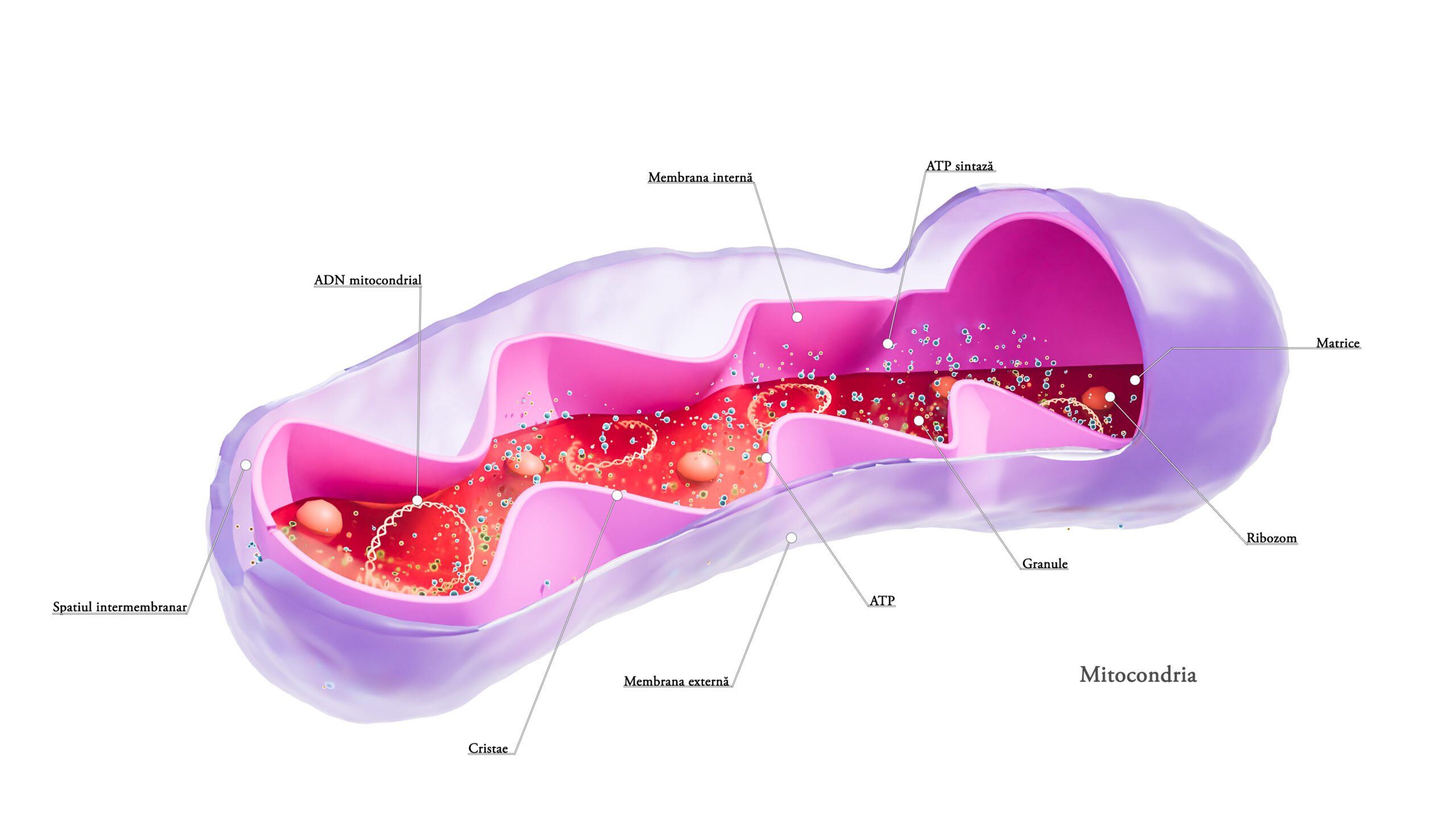
Biomedical Illustration for Research, Medicine, and Scientific Communication
Biomedical illustration transforms complex biological and medical concepts into clear visual explanations. I create precise, cinematic illustrations that support publications, presentations, grant proposals, and educational materials. My work blends scientific accuracy with strong visual storytelling to help your audience understand mechanisms, experiments, and results with clarity.
Why Biomedical Illustration Matters
Scientific ideas are powerful — but they become even more impactful when expressed visually. A well-crafted biomedical illustration can:
-
clarify complex pathways or mechanisms
-
make your research more accessible
-
strengthen manuscripts, posters, and presentations
-
increase reader engagement
-
support faster comprehension for reviewers
-
visually unify multi-panel scientific figures
Whether you’re explaining a molecular pathway or presenting a clinical concept, a high-quality illustration ensures your message is understood at first glance.
My Illustration Approach
My biomedical illustrations combine scientific expertise with cinematic visual design. Every artwork is built upon:
-
clear biological structure and anatomy
-
accurate molecular and cellular references
-
clean composition tailored for scientific storytelling
-
modern color grading for clarity and impact
-
consistency across figures for multi-panel sets
-
formats optimized for print and screen
I work closely with researchers to ensure the artwork represents the science precisely while remaining visually intuitive.
What You Receive
Each biomedical illustration project includes:
-
high-resolution images suitable for journals and posters
-
a clean, publication-ready layout
-
labeled or unlabeled versions depending on your needs
-
multiple color variations if required
-
layered files for future editing
-
web-optimized formats for slides, websites, and social media
You will receive final files compatible with Nature, Cell, Science, PNAS, and similar journals.
Biomedical Topics I Illustrate
I cover a wide range of biomedical and life sciences themes, including:
-
cellular biology and microscopy-style visuals
-
immunology and immune interactions
-
neuroscience and neural circuit diagrams
-
virology and host–pathogen mechanisms
-
metabolic and signaling pathways
-
CRISPR and gene-editing workflows
-
microbiology and bacterial structures
-
oncology and tumor microenvironment
-
drug mechanisms and therapeutic processes
-
organoids, tissues, and 3D cell systems
If your topic isn’t listed, I can create a custom visual approach tailored to your research.
My Process
The illustration workflow is designed for clarity and precision:
-
concept discovery and review of your materials
-
initial sketches or composition thumbnails
-
draft illustration with accurate biological structure
-
refinement and feedback round
-
final rendering, color, and layout
-
delivery of print-ready and digital assets
Each step ensures scientific accuracy while allowing you to guide the visual direction.
Recent Biomedical Illustrations
I have created visuals for:
-
cell division and cytokinesis
-
synaptic transmission models
-
tumor–immune cell interactions
-
viral entry and replication cycles
-
metabolic pathway diagrams
-
receptor–ligand binding processes
-
microbiome and gut barrier illustrations
-
antibody-based therapies
-
intracellular trafficking
-
neural tissue anatomy
Each illustration adapts to the intended audience — from expert reviewers to students and general science readers.
Ready to Begin?
If you need a biomedical illustration for a publication, conference poster, proposal, or educational material, I can deliver clear and scientifically grounded artwork that elevates your message.
Send meyour reference materials or manuscript, and I will propose a concept within 24 hours.
Extended Explanation of My Illustration Methodology
Every biomedical illustration is constructed with a deliberate sequence of scientific and visual decisions. After reviewing your material, I break down the biological system into essential components. Each element is evaluated for scale, function, and relevance to the message the illustration must convey. This ensures that the final artwork is both scientifically grounded and visually coherent.
To build the visual structure, I rely on accurate biological proportions, microscopy references, PDB-based molecular geometry when needed, and established anatomical guidelines. Composition is then shaped around how the viewer should read the visual story: from initiating components, through mechanistic steps, toward the outcome or effect. This creates a logical flow that mirrors the underlying biological process.
Lighting, shading, and color are added with the goal of clarifying relationships between elements. For example, molecular interactions may benefit from high-contrast lighting, while cellular environments often require subtle gradients to emphasize depth and scale. The final result is an illustration that remains true to the data while presenting the information in a clean, structured, and visually compelling format.
Additional Topics Frequently Illustrated
Beyond core biomedical subjects, I also produce illustrations for specialized or emerging research domains. These include:
-
host–microbiome interactions
-
organ-on-chip systems
-
biomaterial and scaffold design
-
single-cell sequencing concepts
-
protein misfolding and aggregation
-
therapeutic delivery strategies
-
nano-bio interactions
-
immunotherapies and checkpoint mechanisms
-
metabolic remodeling
-
developmental patterning processes
Each illustration can be adapted to different audiences, from highly technical research presentations to simplified visuals for outreach or educational purposes.
Extended Description of the Workflow
The creation process of a biomedical illustration relies on several stages that build clarity and accuracy step by step.
During the information review, I focus on understanding not only the biological components but also the purpose of the illustration. A diagram for a high-impact journal demands different emphasis than a figure intended for teaching or grant communication. Once the objective is clear, I structure the illustration accordingly.
Layout concepts are typically presented with multiple composition options. These sketches reveal spatial relationships, directional flow, and the overall visual emphasis. This stage is highly collaborative, giving you full control over how the concept will evolve.
The draft illustration stage introduces accurate geometry, early color, and proportion. At this point, the scientific meaning becomes readable, even without full rendering. Your feedback here guides the refinement toward the final version.
Once the scientific structure is validated, final rendering establishes the aesthetic quality of the illustration. Shading, lighting, material effects, and texturing are added to enhance depth and clarity. The final output is polished to the visual standards of professional scientific publishing.
More Detailed Examples of Recent Work
Some recent projects include:
-
detailed representations of mitochondrial dynamics
-
ligand-receptor binding cascades in immune signaling
-
multi-step viral replication maps for manuscript figures
-
tumor microenvironment diagrams integrating stromal and immune populations
-
multi-panel depictions of cellular trafficking
-
metabolic pathway restructurings for review articles
-
custom visuals of nanocarrier delivery systems
-
anatomical diagrams linking tissue structure and cellular function
These examples demonstrate the range of complexity that biomedical illustration can address, from micro-scale molecular interactions to multi-cellular systems.
Additional Closing Section
If your project requires clarity, precision, and an illustration style that supports scientific rigor, I can help you translate your ideas into visuals that communicate effectively. Whether you are preparing a manuscript, presenting at a conference, or explaining a mechanism to a broader audience, a well-designed biomedical illustration can significantly strengthen your message.