
Biological and medical processes are often too complex to communicate through text or static images alone. Pathways involve dynamic interactions, structural changes, directional flows, and time-dependent events that traditional diagrams struggle to convey.
This is where medical animation becomes one of the most effective modern tools in scientific communication. It transforms complex mechanisms into clear, engaging visual stories that audiences can understand instantly — whether they are researchers, clinicians, students, or patients.
In this article, we explore why medical animation works so well, what makes it scientifically accurate, and how researchers and organizations use animation to elevate their communication.
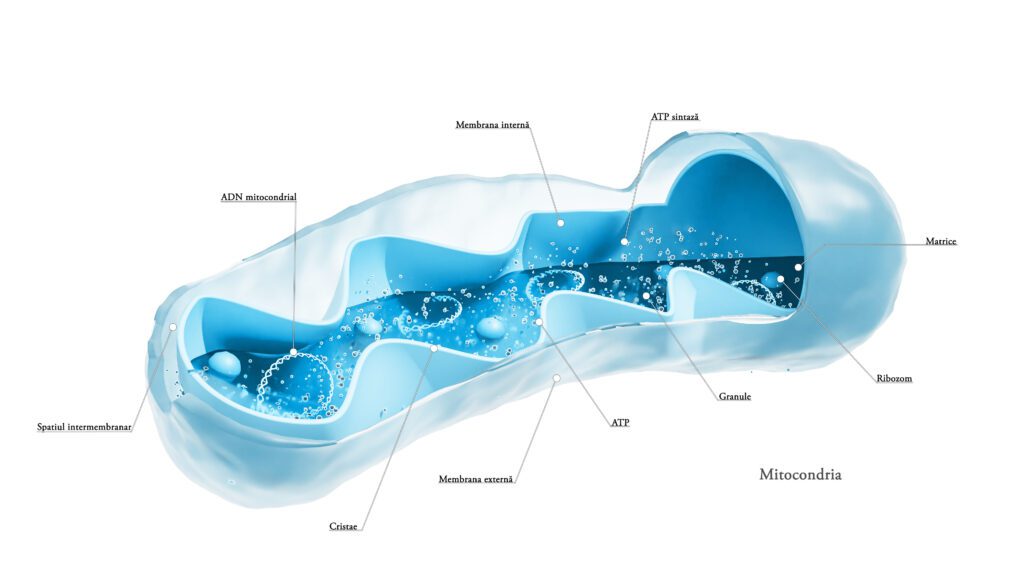
Why Medical Animation Is So Effective
Medical animation blends scientific accuracy with motion, color, depth, and timing. This combination helps viewers understand:
- how processes unfold over time
- how molecules interact
- what happens inside cells or tissues
- how diseases progress
- how treatments work
- how medical devices operate
Movement turns abstract concepts into intuitive narratives.
Key Advantages of Using Medical Animation
1. Clarity Through Motion
Static diagrams capture only a single moment.
Medical animation shows:
- transitions
- transformations
- cause-and-effect
- directional flow
- interactions
This makes complex processes easier to follow.
2. Increased Engagement
Animations naturally draw attention.
They are more memorable and more easily understood than static figures.
This is ideal for:
- conference talks
- grant proposals
- publications
- patient education
- biotech marketing
- training materials
3. Scientifically Accurate Storytelling
Modern medical animation is grounded in:
- research papers
- microscopy data
- molecular modeling
- anatomy references
- clinical explanations
The visuals are both cinematic and scientifically correct.
4. Universal Communication Tool
Medical animation works for audiences with different levels of expertise:
- specialists → detailed mechanisms
- medical students → conceptual learning
- patients → simplified explanations
- investors → clear technology overviews
It bridges gaps between disciplines.
5. Standout Value for Biotech and Pharma
Companies often use animations for:
- Mechanism of Action (MoA)
- drug delivery pathways
- immune modulation sequences
- molecular targeting
- device operation
They are powerful tools for pitching to investors and regulatory bodies.
Where Medical Animation Is Most Commonly Used
1. Mechanism of Action (MoA) Videos
MoA animations explain:
- how a drug interacts with its target
- the biological consequences
- downstream pathways
- therapeutic outcomes
These are invaluable in pharmaceutical communication.
2. Anatomy and Physiology
Animations clarify:
- organ function
- tissue behavior
- cellular activity
- blood flow
- physiological cycles
This is ideal for medical education and training.
3. Surgical and Procedural Animation
Used for:
- patient education
- training modules
- pre-operative explanations
- device demonstration
- surgical technique instruction
Motion helps viewers understand each step clearly.
4. Medical Device Marketing
Animation can show:
- device components
- internal mechanisms
- how it interacts with the body
- benefits compared to alternatives
This is especially valuable for devices too small or complex to film.
5. Cellular and Molecular Mechanisms
Animations excel at showing:
- protein folding
- ligand binding
- receptor activation
- immune responses
- nanoparticle delivery
- viral infection sequences
These topics are difficult to visualize in 2D.
How Professional Medical Animations Are Made
High-quality medical animation follows a structured workflow.
1. Scientific Research
The animator reviews:
- scientific papers
- clinical descriptions
- structural data (PDB, cryo-EM, microscopy)
- reference images
This ensures accuracy.
2. Script and Storyboarding
The narrative is broken into:
- scenes
- transitions
- key actions
- timing
- voiceovers (optional)
This step clarifies the scientific message.
3. 3D Modeling
Models can include:
- anatomy
- cells
- molecules
- medical devices
- instruments
Detail depends on the target audience.
4. Animation
Motion brings the story to life:
- binding sequences
- flow animations
- anatomical transitions
- cellular processes
- device operation
Animations must balance realism and readability.
5. Rendering and Compositing
Final steps include:
- cinematic lighting
- color grading
- depth of field
- visual clarity
- sound design (if required)
The result is a polished, professional animation.
Why Medical Animation Improves Scientific Communication
✔ Instant comprehension
Motion reveals cause-and-effect relationships.
✔ Better retention
Animations are more memorable than static diagrams.
✔ Stronger emotional engagement
Especially helpful in patient education.
✔ Increased clarity
Complex processes become easy to explain in presentations.
✔ Professional appearance
High-quality visuals elevate both research and branding.
Who Uses Medical Animation?
Medical animation is used by:
- research labs
- biotech startups
- pharmaceutical companies
- clinicians
- educators
- medical device manufacturers
- science communicators
Its flexibility makes it applicable across both academia and industry.
Need Medical Animation for Your Research or Project?
Whether you're preparing a conference presentation, explaining a clinical mechanism, or creating a marketing asset for a biotech device, I can help you create a clear and engaging medical animation tailored to your needs.
From molecular interactions to anatomical visualizations, the entire process is designed to deliver scientifically accurate and visually compelling results.