
3D scientific illustration for presentations: How 3D Scientific Illustration Elevates Research Posters and Conference Presentations
Scientific conferences are one of the most important venues for sharing research. Whether you’re presenting a poster, giving a talk, or competing for an award, your visuals determine how effectively your message is received.
Yet many scientific posters suffer from:
- dense text
- unclear diagrams
- flat 2D graphics
- inconsistent styling
- low-resolution images
- visually overwhelming layouts
As a result, even strong research can fail to stand out.
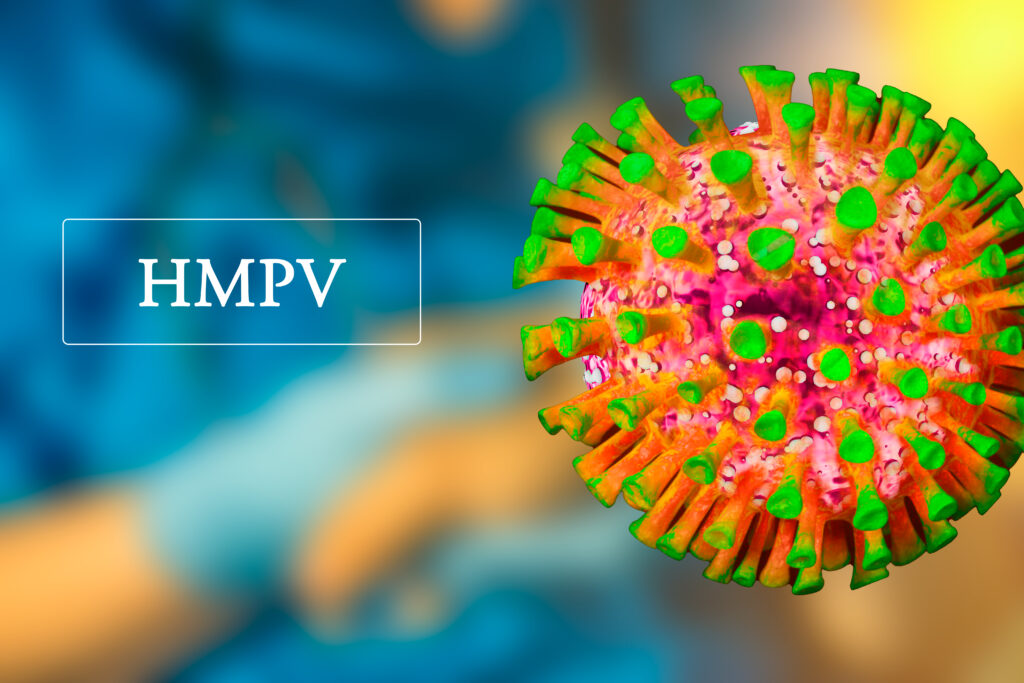
This is where 3D scientific illustration adds immense value. With depth, clarity, and accurate representation, 3D visuals transform your poster or presentation into a compelling visual narrative that captures attention and communicates your science clearly.
Why 3D Scientific Illustration Works So Well for Conferences
1. 3D visuals attract attention immediately
Conferences are crowded. Posters compete with surrounding noise.
A cinematic 3D visual provides:
- strong contrast
- depth
- lighting
- clear focal points
This draws visitors to your poster even from a distance.
2. 3D helps explain complex spatial concepts
Some concepts simply cannot be communicated well in 2D, including:
- molecular interactions
- cell structure
- receptor-ligand binding
- drug delivery pathways
- anatomical relationships
- device mechanisms
3D illustrations reveal depth, orientation, and spatial structure instantly.
3. They boost clarity and reduce cognitive load
A viewer should understand the main concept within seconds.
3D visuals guide the viewer intuitively through:
- shape
- scale
- interaction
- motion cues (via arrows or sequential layouts)
This makes your scientific narrative clearer and easier to follow.
4. They improve memory retention
Studies show that:
✔ visual information is processed faster than text
✔ 3D imagery is more memorable than flat diagrams
✔ strong visuals improve comprehension
This helps audiences remember your research beyond the conference.
5. 3D visuals elevate professionalism
Well-rendered 3D scenes give your work:
- a polished appearance
- consistent visual identity
- a modern scientific aesthetic
This helps your poster or talk stand out to:
- reviewers
- judges
- potential collaborators
- future employers
Applications of 3D Scientific Illustration for Posters & Talks
1. Molecular and Structural Biology
Use 3D to visualize:
- protein structures
- ligand docking
- molecular mechanisms
- conformational transitions
These visuals make structural data far easier to interpret.
2. Cellular and Microenvironment Visualization
3D helps show:
- cellular organization
- tissue layers
- signaling pathways
- dynamic interactions
Complex processes feel intuitive when visualized in 3D.
3. Anatomy and Physiology
3D illustration can show:
- organ systems
- cross-sections
- blood flow
- pathophysiology
- treatment effects
This is especially useful for clinical and biomedical presentations.
4. Medical Devices and Engineering
Use 3D to illustrate:
- device components
- mechanisms
- interactions with tissue
- workflow sequences
- surgical procedures
Complex engineering becomes accessible through visual explanation.
5. Drug Delivery and Mechanism of Action (MoA)
Show:
- nanoparticle movement
- receptor activation
- immune modulation
- distribution pathways
- therapeutic targeting
These mechanisms benefit greatly from cinematic storytelling.
How to Integrate 3D Visuals Into Posters Effectively
1. Use a strong central illustration
Place the most important 3D visual in the center or upper-left area of your poster — where the viewer looks first.
2. Keep surrounding graphics simple
Pair 3D visuals with:
- simplified 2D diagrams
- clean arrows
- minimal text
- clear labels
Let the 3D image carry the visual weight.
3. Maintain consistency across all visuals
Use the same:
- color palette
- lighting style
- typography
- visual logic
This creates a unified and professional poster appearance.
4. Avoid overcrowding
3D visuals stand out best when they have space around them.
Use breathing room to keep your poster readable from a distance.
5. Use high-resolution renders
Conferences often print posters at:
- A0
- A1
- large-format sizes
Low-resolution graphics appear pixelated and unprofessional.
3D renders should be exported at at least 300 DPI for print.
Why Researchers Choose 3D Illustration for Presentations
✔ Higher engagement
✔ Better explanation of complex ideas
✔ Professional appearance
✔ Better chances in poster competitions
✔ Stronger impact on judges
✔ Memorable visuals for audiences
✔ Improved clarity during oral presentations
3D visuals make your research feel polished and modern.
How I Help Researchers Create 3D Visuals for Conferences
My process includes:
1. Reviewing your research materials
To understand your mechanism, device, or biological concept.
2. Creating custom 3D models
Proteins, cells, tissues, devices — whatever the story requires.
3. Designing cinematic compositions
Balanced scenes with clear focal points and narrative flow.
4. Rendering high-resolution images
Print-ready for A0/A1 posters and digital screens.
5. Delivering supporting graphics
Simplified 2D versions, labels, diagrams, and presentation slides.
The result: clarity + impact + scientific accuracy.
Need High-Impact 3D Visuals for Your Next Conference?
If you're preparing a poster or presentation and want to communicate your science more effectively, I can help create publication-grade 3D visuals tailored to your research.
Send your project summary or sketches, and I’ll prepare concept ideas within 24 hours.