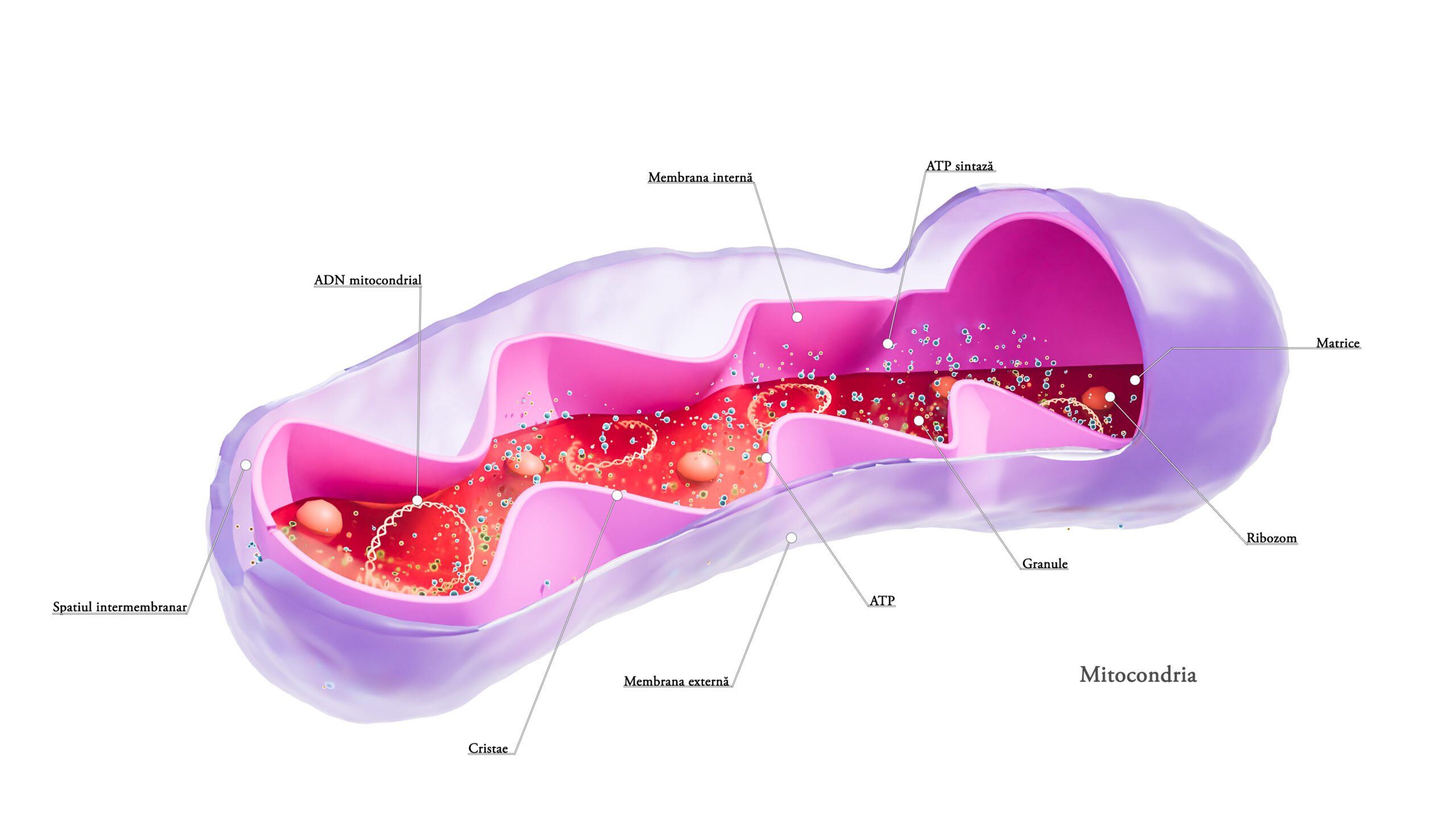

A step-by-step look behind the scenes of scientific visualization
Mechanism-of-action (MoA) illustrations are among the most challenging and rewarding types of scientific visuals. They sit at the intersection of biology, storytelling, and visual design — and their purpose is both simple and difficult: to make an invisible biological mechanism immediately understandable.
Over the years, I’ve worked on numerous MoA sequences for educational materials, pharmaceutical communication, and research explanations. In this article, I’ll walk you through my exact process, from the initial research stage all the way to the final composite render.
1. Understanding the science first
All MoA pieces begin with one essential step: deep scientific understanding.
Before opening Blender or ZBrush, I start with:
- research papers or review articles
- protein structures (via RCSB PDB)
- pharmacology data (dose, target, binding mechanism)
- company medical briefs or white papers
- textbook definitions of the pathway
- existing illustrations (to benchmark accuracy but not copy concepts)
My goal here is to answer:
- What exactly happens in this mechanism?
- What is the primary message the viewer must understand?
- What is scientifically necessary, and what can be simplified?
The research stage shapes the rest of the pipeline. It helps me determine which structures must be accurate and which visuals can be representational.
2. Sketching and visual planning
Once I understand the biology, I translate it into a visual sequence.
I sketch:
- the cell type
- molecular players involved
- the “path” of the mechanism
- the viewer’s perspective
- the emotional tone (clinical, dramatic, educational, clean)
Even rough sketches help clarify composition and storytelling. Decisions here prevent major re-work later.
3. Modeling molecules and structures
This is where Blender, ZBrush, and real scientific references come together.
For molecular elements
I use:
- PDB structure imports
- simplified custom meshes based on domain shapes
- displacement maps for surface detail
- stylized shape language for clarity
I often stylize proteins slightly (smooth surfaces, clear silhouettes), because biological accuracy must coexist with readability.
For cells and environments
I sculpt:
- membranes with micro-undulations
- surface receptors
- cytoplasmic environments
- extracellular textures
Everything is modeled to feel alive, not sterile — unless sterile clarity is desired.
4. Lighting and color language
Lighting is a storytelling tool.
For MoA work, my color approach is:
- warm tones for active or signaling molecules
- cool tones for background elements
- teal / blue gradients inside cells
- violet / magenta to indicate DNA or transcription zones
- orange / yellow for therapeutic compounds
I choose light that guides the eye toward the main mechanism — usually rim lights + volumetrics for depth.
5. Animation or sequential stills
Depending on the project, I create:
- a full MoA animation
- a sequence of stills
- or a single complex hero illustration
For animations, I rely on:
- graph editor control for binding events
- camera paths with biological focus
- particles for molecular flow
- light pulses to show activation/inhibition
6. Compositing and final polish
In the compositing stage, I finalize:
- depth of field
- chromatic separation
- subtle glow for active regions
- color correction
- contrast enhancements
The goal is always the same: science first, aesthetics aligned to clarity.
7. Deliverables
Clients typically receive:
- final renders in 4k/8k
- transparent layered assets
- scientific notes that explain design choices
- animation files if needed
Final thoughts
Creating a MoA illustration is a powerful way to translate complex science into clear visual language. It’s a process that requires both biological accuracy and artistic discipline, and every project teaches me something new about the microscopic worlds we can’t see.
If your organization needs a MoA sequence, animation, or high-resolution illustration, feel free to contact me — I’d be happy to help bring your science to life.