
How to Create Beautiful Molecular Figures for Publications (Complete Guide)
Molecular figures are essential for communicating mechanisms, interactions, structural features, and drug-binding events.
Yet most molecular graphics — even from experienced labs — look crowded, flat, confusing, or visually outdated.
A beautiful molecular figureis not just aesthetically pleasing; it improves clarity, reviewer comprehension, and reader engagement.
This guide explains how to create publication-quality molecular figures that look clean, modern, accurate, and visually striking.
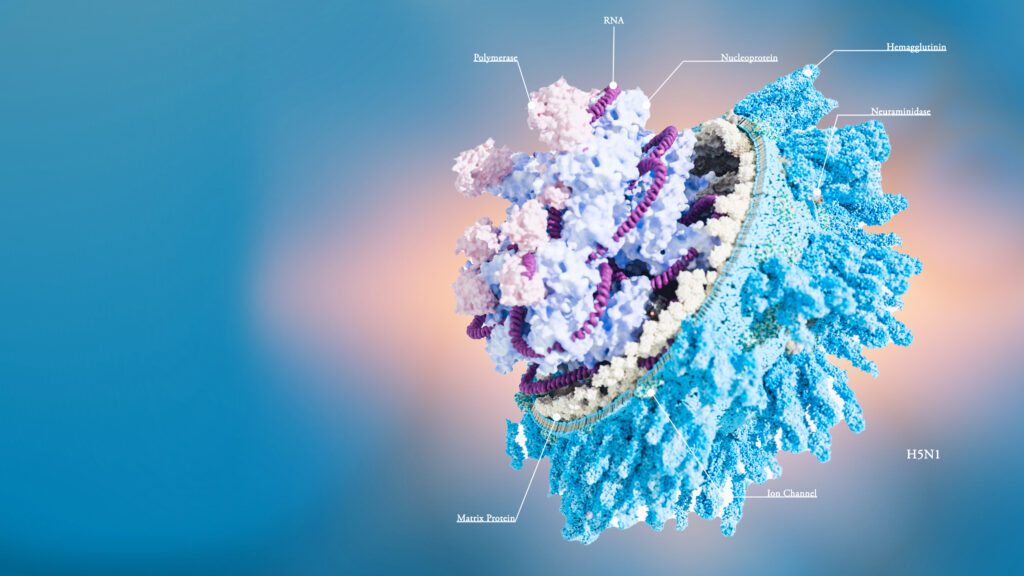
1. Start With the Correct Structural Data
Before focusing on aesthetics, you need reliable structure sources.
✔ Best structural inputs:
- PDB files (crystal/NMR/cryo-EM data)
- AlphaFold predictions
- homology models
- cleaned or trimmed versions
✔ Always remove:
- water molecules
- buffer components
- crystallization artifacts
- small fragments unless relevant
A clean starting structure is essential for clarity.
2. Choose the Right Representation for the Biological Story
Different representations highlight different scientific messages.
✔ Ribbon/cartoon
Best for showing folds, domains, helices, β-sheets.
✔ Surface representation
Great for binding pockets, interfaces, and molecular recognition.
✔ Stick/ball-and-stick
Useful for ligands, active sites, metal ions.
✔ Backbone trace
Good for minimalistic or conceptual visuals.
✔ Hybrid representations
Often the best choice for covers and complex scenes.
The representation should support the scientific point — not just “look cool.”
3. Use a Clear and Consistent Color Palette
Color is the most influential part of molecular figure design.
✔ Good practices:
- use 3–5 main colors
- differentiate domains with tonally distinct colors
- highlight ligands or active sites with warm hues
- keep background muted
- avoid rainbow gradients
- avoid overly saturated colors
✔ Colorblind-safe palettes are essential:
- blue–orange
- purple–green
- yellow–blue
- teal–magenta
Color consistency across panels builds professionalism.
4. Establish Correct Molecular Orientation
Orientation defines clarity.
✔ Best practice:
Rotate until the molecule communicates the intended mechanism:
- binding pocket visible
- ligand interaction readable
- domain relationships clear
- symmetry properly represented
- helices facing the viewer if important
Orientation can make or break the figure.
5. Use Lighting to Communicate Depth
Good lighting separates professional figures from amateur ones.
✔ Recommended lighting techniques:
- directional key light
- soft rim light to highlight edges
- ambient fill light
- subtle shadows
- gentle specular highlights
Lighting creates depth, volume, and focus.
❌ Avoid:
- overly dramatic shadows
- harsh contrast
- neon-like glowing surfaces
- evenly lit “flat” renders
Balanced lighting is essential.
6. Simplify the Scene by Removing Visual Noise
Professional molecular visuals are minimalist.
Remove:
- unnecessary layers
- overlapping molecules
- components not discussed in the paper
- confusing background shapes
- extra chains or fragments
- busy textures
Keep:
- only the elements relevant to the scientific message
Less clutter = more clarity.
7. Use Depth of Field and Atmospheric Perspective (Optional but Powerful)
Subtle cinematic effects improve readability in complex scenes.
✔ Depth of field
Softens background areas to keep the focus on the interaction site.
✔ Atmospheric perspective
Slight haze or desaturation helps separate foreground/background.
✔ Do NOT overuse
The effect must remain subtle and scientific.
8. Add Transparent or Partial Surfaces Strategically
Partial surfaces allow:
- viewing internal binding pockets
- showing ligand placement
- illustrating domain interfaces
Use them sparingly to avoid clutter.
9. Label Carefully and Sparingly
Labels in molecular figures should be:
- minimal
- non-intrusive
- professionally placed
- consistent in font and color
- away from key surfaces and edges
✔ Bad labeling:
- overlapping text
- arrows everywhere
- labels touching the molecule
- tiny unreadable words
✔ Good labeling:
- simple 1–3 word labels
- clean spacing
- vector text (not raster)
10. Export in the Correct Format and Resolution
Journals often require:
- TIFF at 300–600 DPI
- SVG/PDF for vector overlays
- RGB for digital publication
- CMYK for print versions
- high pixel dimensions
✔ Final export checklist:
- the image remains clear when zoomed out
- labels are readable at final size
- no compression artifacts
- color palette remains consistent
- background is clean and neutral
A technically perfect export avoids reviewer complaints.
11. Common Mistakes to Avoid
❌ Overly saturated colors
❌ Too many domains colored differently
❌ No visual hierarchy
❌ Wrong orientation of the molecule
❌ Inconsistent lighting
❌ Confusing labels
❌ Complex, noisy backgrounds
❌ Low resolution
Reviewers notice these instantly.
12. How I Help Researchers Create Beautiful Molecular Figures
My molecular illustration workflow includes:
✔ structural data cleaning and preparation
✔ selecting the best representation
✔ cinematic lighting and shading
✔ clear domain color logic
✔ transparent surfaces for binding pockets
✔ vector labeling
✔ exporting journal-readyfiles
The goal is a molecular figure that is:
- accurate
- visually compelling
- clear at publication size
- aligned with your scientific message
Need Help Creating a Beautiful Molecular Figure?
If you want your molecular visuals to be clean, cinematic, and scientifically accurate, I can help redesign them or build them from raw PDB/AlphaFold data.
Send your structure or sketch, and I’ll provide a concept within 24 hours.